
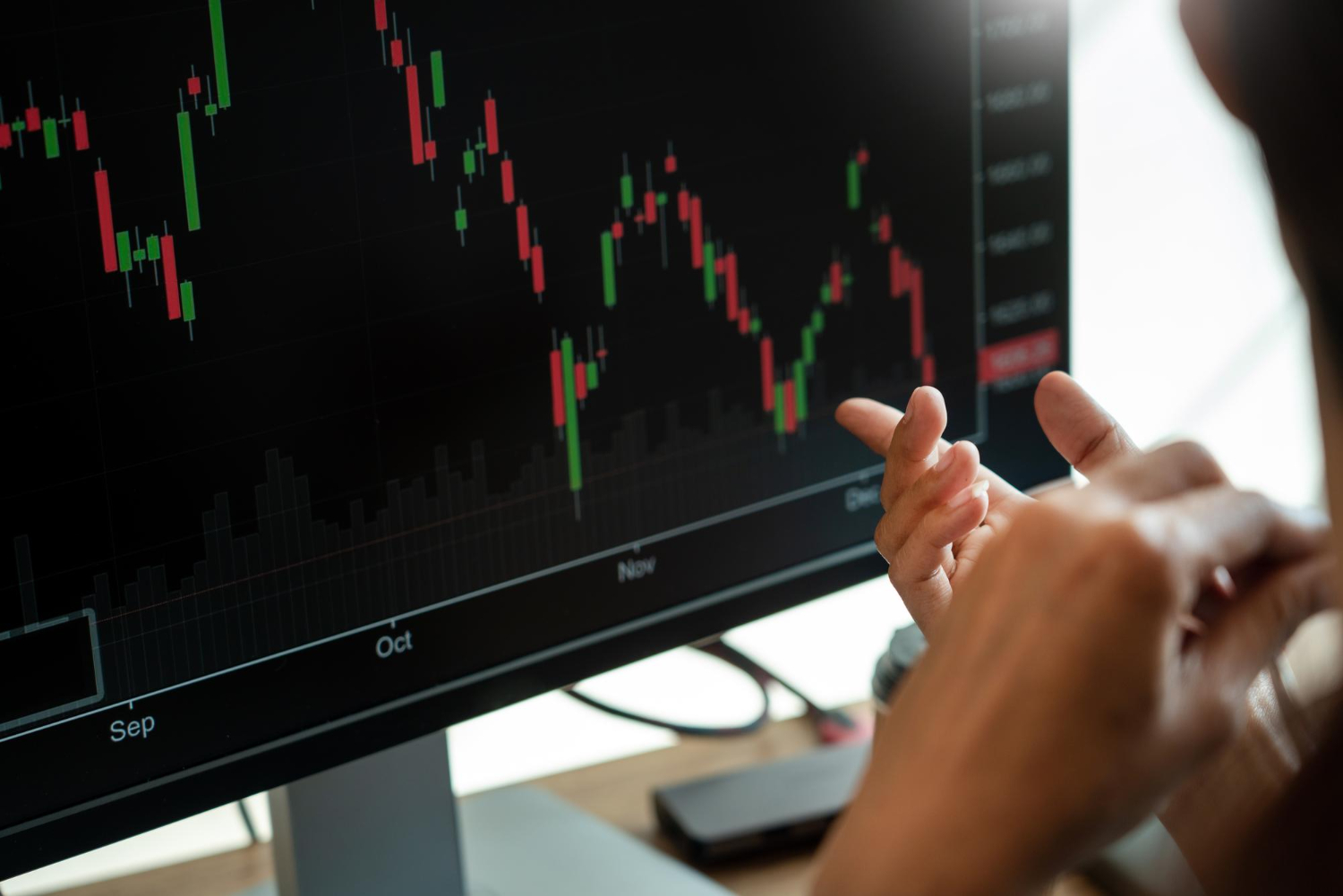
Imagine turning simulated trades into real profits without risking a dime-until you’re ready. Demo accounts offer this vital bridge, yet 80% of traders fail to use them effectively, per industry studies.
Discover how to set up the ideal platform, craft winning strategies with backtesting, master risk management, simulate live conditions, track metrics, and scale to real trading safely. Ready to make the seamless switch?
Understanding Demo Accounts
Demo accounts provide virtual funds (typically $10,000-$100,000) with real-time market data, enabling risk-free practice on platforms like MetaTrader 4/5 or TradingView. These virtual trading environments simulate actual market conditions using data from liquidity providers, allowing beginners to test strategies without financial loss. Traders can practice position sizing, stop loss orders, and take profit levels in Forex, stocks, or crypto markets. For example, a Forex demo lets you trade EUR/USD pairs during session overlaps, observing candlestick patterns and technical indicators like moving averages or RSI.
Popular brokerage demos vary in features, with MT5 demo offering a $50,000 balance for full EA testing and backtesting on historical tick data. TradingView paper trading provides unlimited funds and superior charting tools, ideal for analyzing trendlines, support resistance, and chart patterns. Thinkorswim gives $100,000 for stock demo and options practice, while cTrader demo supports cBots for algo trading, and NinjaTrader simulator excels in futures demo with depth of market views. Forex beginners often prefer MT5 for comprehensive EA testing versus TradingView’s charting strengths.
| Platform | Virtual Balance | Markets | Platforms | Limitations |
| MT5 demo | $50k | Forex, CFDs, futures | Desktop, mobile, web | Demo expiration after 30-90 days |
| TradingView Paper Trading | Unlimited | Stocks, Forex, crypto | Web, app | No EA testing, charting focus |
| Thinkorswim | $100k | Stocks, options, futures | Desktop, mobile | US-focused, complex UI |
| cTrader demo | $100k | Forex, CFDs | Desktop, web, mobile | Less broker support |
| NinjaTrader simulator | Customizable | Futures, Forex | Desktop | Steep learning curve |
Selecting a regulated broker demo ensures quality data, preparing you for live trading transitions with realistic risk management.
Key Features and Limitations
Key demo features include unlimited simulated trades, real-time quotes from liquidity providers, and full platform access minus execution slippage. Users enjoy risk-free trading to refine entry signals, exit strategies, and trade journal habits. For instance, scalping demo on MT5 allows testing micro lots during high volatility, while swing trading demo on TradingView helps track equity curves and win rates over weeks.
| Feature | Demo Reality | Live Difference |
| Slippage | None | 0.5-2 pips during news |
| Spreads | Tightened | Normal, wider in volatility |
| Weekend gaps | No | Yes, major price jumps |
| Emotional pressure | Low | High, fear greed cycle |
| Leverage | Unlimited | Regulated, margin calls |
A 2023 BabyPips survey shows 78% of traders fail live transitions due to psychological gaps like loss aversion or overconfidence. Demos lack latency issues, requotes, and commissions, leading to over-reliance. To bridge this, maintain a demo period of 3-6 months with consistent profitability, using performance analysis for drawdown limits and risk-reward ratios. Practice during economic calendar events simulates market volatility, building emotional control for safe trading.
Address demo limitations by shadow trading alongside live accounts or using dual setups for parallel comparison. This prepares intermediate traders for leverage risks, pip value calculations, and capital preservation in live accounts.
Setting Up Your Demo Account
Proper demo setup begins with regulated trading brokers like IC Markets or Pepperstone offering MT5 demos with 1:500 leverage and 100k virtual USD. Quick setup across major brokers takes about 15 minutes total. Start by selecting an FCA or ASIC licensed broker to ensure risk-free trading mirrors live conditions. IC Markets stands out for its realistic demo account features, including real spreads and execution speed. Avoid offshore brokers, as they often lack investor protection.
Follow these numbered steps for efficient setup. First, select an FCA/ASIC broker like IC Markets. Second, register with email verification, which takes 2 minutes. Third, download MT5 or TradingView, a process of 5 minutes. Fourth, choose a $50k balance with appropriate leverage. Fifth, enable real spreads, not zero, to simulate true market conditions. This trading simulator prepares you for live trading without financial risk.
A common mistake is using zero-spread demos, which distorts reality and leads to poor risk management habits. Real spreads teach you about slippage and commissions during volatile sessions. Use this paper trading phase to test strategies like scalping or swing trading. Track simulated trades in a trade journal to analyze win rate and drawdown limits. This foundation supports a safe transition to live account trading with discipline.
Choosing the Right Platform
Compare MT5, best for algo trading with free VPS, TradingView for superior charting at $15/mo premium, cTrader for cBots automation, and Thinkorswim for stocks/options. Selecting the ideal trading platform ensures your demo account replicates live trading accurately. MT5 excels in EA testing and backtesting with high-quality historical data. TradingView offers over 100 indicators like RSI and MACD for technical analysis.
| Platform | Price | Key Features | Best For | Pros/Cons |
| MT5 | Free | EA testing, custom indicators, 1:500 leverage | Forex EAs, algo trading | Pros: Complex tools, free VPS. Cons: Steep learning curve. |
| TradingView | $0-$60/mo | 100+ indicators, charting, social features | Technical analysis | Pros: Intuitive charts. Cons: Limited execution simulation. |
| cTrader | Free | Level II pricing, cBots | Automation, depth of market | Pros: Fast execution. Cons: Fewer brokers support it. |
| NinjaTrader | Free demo | Futures trading, advanced charting | Futures, day trading | Pros: Volume profile. Cons: Primarily for futures. |
| DXtrade | Free | Modern UI, mobile app | Beginners, multi-asset | Pros: User-friendly. Cons: Limited customization. |
Recommend MT5 for Forex demo with EAs, as it supports backtesting and forward testing under real-time data. TradingView suits chart pattern analysis like candlestick patterns and trendlines. Test position sizing and stop loss on these platforms to build emotional control. Platforms like cTrader help with execution speed practice, vital for day trading demos. Always verify demo expiration dates and upgrade paths to live accounts.
Developing Your Trading Strategy
Test strategies like EMA crossover (9/21 periods) or RSI divergence (14-period, levels 30/70) using MT5 Strategy Tester with 99% tick data. The strategy development pipeline moves from initial idea to execution through structured steps on a demo account. Start by defining clear trading rules, such as entry on MA crossover combined with RSI above 50. Next, set up the MT5 Strategy Tester for a 1-year EURUSD M15 chart to backtest historically. Run optimization over 50 passes to find optimal parameters, then forward test on a 3-month demo period. Finally, refine based on metrics like win rate> 55% and R:R> 1:2. This risk-free trading approach builds confidence for live trading transition while emphasizing backtesting and forward testing to validate performance across market conditions.
Avoid curve-fitting by requiring out-of-sample testing, where you test strategies on unseen data after initial optimization. For instance, develop an EMA crossover strategy on demo account, backtest in-sample data, then verify on out-of-sample periods to ensure robustness. Track equity curve smoothness and drawdown limits under 15%. Incorporate risk management rules like position sizing at 1-2% risk per trade and stop loss placement. Use a trade journal during trading practice to log simulated trades, review performance analysis, and adjust for emotional control factors like loss aversion. This pipeline supports safe trading for beginner, intermediate, and advanced traders transitioning via paper trading.
Integrate technical indicators such as moving averages, RSI, and MACD with support resistance levels for entry signals and exit strategies. Test during various market volatility scenarios, including news events from the economic calendar. Demo platforms like MetaTrader demo or TradingView demo provide real-time data for realistic virtual trading. Aim for consistent profitability with a track record of at least 100 trades showing statistical significance. This methodical process minimizes demo limitations like slippage differences and prepares for live account challenges such as spreads and execution speed.
Backtesting on Demo
MT5 Strategy Tester with 99.9% tick data from Dukascopy enables accurate backtesting; aim for Sharpe Ratio> 1.0 across 5-year tests. Follow this numbered backtesting protocol on your brokerage demo to develop reliable trading strategies. First, import high-quality tick data from sources like Dukascopy or TrueFX to ensure precision in historical data quality. Second, split data into 70/30 in-sample for optimization and out-of-sample for validation, preventing overfitting. This setup on a Forex demo or stock demo mirrors market conditions for trading simulator practice.
- Import tick data (Dukascopy/TrueFX) into MT5 for 99.9% modeling quality.
- Set 70/30 in-sample/out-of-sample split to test strategy robustness.
- Run Monte Carlo simulation for 1000 runs, ensuring max drawdown <15%.
- Apply walk-forward matrix over 12 periods for dynamic optimization.
- Export equity curve for detailed performance review.
Example: An EMA strategy on 2018-2023 GBPUSD achieved 58% win rate, 1:2.1 R:R, and 12% annual return, with smooth equity growth. Use this on crypto demo or CFD trading demos too. Incorporate position sizing via ATR indicator for volatility-adjusted lots, like micro lots for scalping demo. Review results in a trade journal focusing on risk-reward ratio, profit targets, and drawdown limits. This forward testing on demo builds discipline, counters psychology trading issues like overconfidence, and confirms readiness for transition to live trading with a safe checklist.
Mastering Risk Management
Limit risk to 1% per trade using ATR-based stops (2x ATR) and 1:2 minimum risk-reward ratios for positive expectancy. In a demo account, this approach builds habits that prevent account blowups during the transition to live trading. Core principles include setting strict stop loss orders, maintaining a trade journal for performance analysis, and enforcing drawdown limits like 10% maximum from peak equity. Practice these on a trading simulator with real-time data to simulate market conditions without financial loss.
Focus on capital preservation by avoiding over-leverage and revenge trading. For example, with a $50,000 demo account on EURUSD at 1.1000, a 20-pip stop loss equates to 0.25 lots at 1% risk. Track win rate and risk-reward in your journal to ensure consistent profitability. This risk-free trading phase reveals emotional control issues like loss aversion before depositing funds in a live account.
Integrate position sizing techniques to manage total open risk under 3%. Use forward testing on MetaTrader demo or TradingView demo to validate strategies. Develop a safe transition checklist: achieve 100 simulated trades with positive expectancy, then start with small live trades. This disciplined paper trading ensures psychological readiness for slippage, spreads, and volatility in live markets.
Position Sizing Techniques
Use position size calculator: Risk Amount / (Stop Loss Pips x Pip Value) = Lot Size; $500 risk / (30 pips x $10) = 1.67 standard lots. In demo accounts, master three techniques to scale safely to live trading. Fixed Fractional risks 1-2% of account balance per trade, promoting steady growth. For a $10,000 account with 20-pip stop loss, this yields 0.05 lots at 1% risk.
The Kelly Criterion formula, (Win% – Loss%) / AvgWin, optimizes bet size but use half-Kelly to reduce volatility. With 60% win rate, 1.5:1 reward-risk, it suggests 20% risk; halve to 10% for safety. Volatility-Adjusted sizing uses Account x Risk% / (ATR(14) x 2 x PipValue). On a Forex demo with 50-pip ATR, a $50k account at 1% risk sizes to 0.1 lots. Test these in virtual trading to avoid margin calls.
| Account Size | Risk % | Stop Loss (Pips) | Pip Value | Lot Size (Fixed 1%) |
| $10,000 | 1% | 20 | $10 | 0.05 |
| $50,000 | 1% | 20 | $10 | 0.25 |
| $100,000 | 1% | 30 | $10 | 0.33 |
Warning: Never exceed 3% total open risk. Build an Excel template with these formulas for quick calculations during trading practice. Simulate on brokerage demo accounts to track equity curve and refine before live switch, ensuring discipline in position sizing for long-term success.
Simulating Real Trading Conditions
Enable ‘real spreads’ in MT5 demo and trade news events like FOMC or NFP to experience 3-5 pip slippage and widened spreads. This approach bridges the demo-live gap by mimicking actual market conditions in your trading simulator. Many traders fail during the transition to live trading because demo accounts often use idealized settings, but adjusting for real-time data and execution speed prepares you for slippage, spreads, and commissions. Set your brokerage demo to include $7 per lot round-trip fees, and practice during high market volatility to handle requotes and latency issues.
Focus on risk-free trading with simulated trades that reflect live account realities, such as weekend gaps and news events from the economic calendar. Use position sizing tools to simulate leverage risks and margin calls, ensuring your account balance behaves like a real one. For Forex demo, stock demo, or crypto demo, enable depth of market views to see true liquidity. Track order types like market orders and limit orders under pressure, building emotional control for safe trading.
Regular performance analysis via a trade journal reveals patterns in demo limitations, such as smoother fills than live. Simulate trading hours with session overlaps, like London-New York, to practice scalping demo or day trading demo. This paper trading method fosters trading strategies tested against backtesting and forward testing, ensuring a smooth demo period before upgrading.
Psychological Discipline Practice
Daily routine: Pre-market checklist, 2% daily loss limit, post-session review; track emotions via 1-10 scale in trade journal. Building psychological discipline is key to transition to live trading, as an FCA 2022 report notes 80% of trader failures stem from psychology trading issues like loss aversion and overconfidence. Practice shadow trading by running demo parallel to a live chart, mirroring entry signals and exit strategies without real risk. Limit screen time to 4 hours per day to avoid burnout and enforce a fixed routine, such as starting at 9am London open.
Incorporate these five psychological drills for mastery:
- Shadow trading to build confidence in real conditions.
- Fixed routine with session-specific checklists.
- Loss limit circuit breaker: stop after 3 consecutive losses to curb revenge trading.
- Trade only A+ setups, your top 20% opportunities based on risk-reward ratio.
- Weekly equity curve review to spot drawdown patterns and adjust risk management.
Simulate commissions and pip value calculations in your trading platform, like MetaTrader demo or TradingView demo, to ingrain discipline trading.
Address demo vs live differences by logging fear-greed cycle emotions and reviewing win rate for statistical significance after 100 minimum trades. Use Monte Carlo simulation on your journal data to test resilience. This trading mindset practice ensures capital preservation and consistent profitability, preparing beginner, intermediate, or advanced traders for the psychological gap in live markets.
Tracking and Analyzing Performance
Myfxbook or Edgewonk analysis targets include win rate of 45-65%, profit factor above 1.5, max drawdown under 12%, and expectancy greater than 0.25 pips/trade. Data-driven improvement comes from monitoring these metrics during your demo account phase to ensure strategies work under real-time data and market conditions. Traders often export reports from platforms like MetaTrader 5 to analyze simulated trades, spotting patterns in risk management and position sizing. For instance, a MT5 report export reveals equity curves and drawdown periods, helping refine stop loss and take profit levels before transitioning to live trading.
Focus on performance analysis weekly to build a trade journal that tracks emotional control and adherence to trading rules. Use tools like Myfxbook for automatic uploads from your brokerage demo or TradingView demo, which provide detailed breakdowns of win rate, average risk-reward ratios, and large loss trades. This risk-free trading environment allows testing adjustments without leverage risks or slippage impacts, ensuring your trading strategies show consistent profitability over at least 100 trades for statistical significance.
Red flags in analysis include over-optimized systems or poor recovery from drawdowns, signaling the need for more forward testing in the trading simulator. By reviewing these metrics, beginner and intermediate traders develop a transition plan with checklists, preparing for live account challenges like commissions and execution speed. This methodical approach supports safe trading and capital preservation during the switch from paper trading to real funds.
Key Metrics to Monitor
Track weekly: win rate above 50%, average R:R of at least 1:2, profit factor over 1.75, max DD below 10%, and large loss trades under 2%. These form the core of any metrics dashboard in your demo account, providing clear targets for trading practice. For example, in a set of 100 trades on a Forex demo with 1% risk per trade, aim for steady equity growth while avoiding revenge trading pitfalls.
| Metric | Target | Formula | Example (100 trades) |
| Win Rate | 45-65% | (Winning trades / Total trades) x 100 | 55 wins = 55% |
| Profit Factor | >1.5 | Gross profit / Gross loss | $5,500 profit / $3,000 loss = 1.83 |
| Expectancy | >0.25 pips/trade | (Win% x Avg Win) – (Loss% x Avg Loss) | (0.55 x 80) – (0.45 x 40) = 29.5 pips |
| Sharpe Ratio | >1.0 | (Avg return – Risk-free rate) / Std deviation | 8.2% return / 6.5% volatility = 1.26 |
| Recovery Factor | >3.0 | Net profit / Max drawdown | $2,500 profit / $750 DD = 3.33 |
Set up Myfxbook or Edgewonk for free auto-analysis by linking your MetaTrader demo account, which generates these metrics instantly. Watch for red flags like win rate over 70%, indicating curve-fit risk; more than 15 consecutive wins, suggesting overconfidence; or drawdown exceeding 15%, pointing to system failure. Address these through backtesting and out-of-sample testing to confirm robustness across market volatility and news events.
Incorporate a trade journal alongside these metrics to note entry signals from technical indicators like RSI or moving averages, ensuring discipline in swing trading demo or scalping sessions. This prepares you for live trading differences, such as spreads and latency, fostering realistic expectations and a solid track record before depositing funds.
Planning the Live Trading Transition
A risk-controlled live transition roadmap ensures beginners and intermediate traders move from demo account practice to real markets without major losses. Start with a transition checklist: 3 months consistent demo profit, verified edge through backtesting and forward testing, then fund a micro account with $100-500 for 0.01 lot testing. This approach builds confidence while addressing demo limitations like slippage and psychological gaps. Track your equity curve and drawdown limits during the demo period to confirm statistical significance with at least 1000 trades. Once ready, select a regulated broker with low spreads and fast execution for the live account upgrade.
Develop a detailed transition plan that includes position sizing rules, such as fixed fractional risk at 0.5-1% per trade, and incorporate tools like trade journals for performance analysis. Simulate live conditions by running parallel demo and live trades to compare execution speed and spreads. Set profit targets and breakeven rules early, while monitoring emotional control to avoid revenge trading or overconfidence. This phased method supports capital preservation as you scale from micro lots to standard sizes over quarters.
Expert traders emphasize shadow trading during the initial live phase, where every live trade mirrors a demo setup. Use Monte Carlo simulation on your track record to predict worst-case drawdowns. Gradually increase exposure based on Kelly criterion calculations, ensuring a profit factor above 1.6. This roadmap minimizes leverage risks and prepares you for market volatility, news events, and weekend gaps absent in virtual trading.
Gradual Scaling Checklist
Week 1-4: Use a $100 micro account with 0.01 lots at 0.5% risk to test live execution against demo trades. This gradual scaling checklist outlines 15 steps for a safe transition to live trading, aiming for 6 months breakeven minimum before aggressive growth. Maintain a trade journal logging entry signals, stop loss levels, and take profit outcomes to analyze win rate and risk-reward ratio.
- Complete minimum 1000 demo trades across various market conditions for statistical significance.
- Achieve 3-month track record with profit factor greater than 1.6 and max drawdown under 10%.
- Fund micro account, such as Exness with $10 minimum deposit, and complete KYC verification.
- First month: Limit to 5 trades maximum, focusing on high-probability setups like support resistance bounces.
- Run dual demo/live shadow trading to compare slippage, spreads, and commissions in real-time data.
- Month 2: Increase to $500 account balance, trade 0.02-0.05 lots with ATR-based position sizing.
- Implement strict risk management: Never exceed 1% risk per trade, use trailing stops.
- Quarter 2: Scale per Kelly criterion, targeting 2-5% monthly returns with drawdown limits.
- Conduct weekly performance analysis, adjusting strategies if equity curve flattens.
- Incorporate economic calendar checks to avoid news events causing requotes or gaps.
- Test emotional control with partial closes and breakeven moves on winning trades.
- Diversify with 2-3 assets, monitoring correlation to prevent overexposure.
- After 3 months live, review out-of-sample testing results before adding leverage.
- Scale to mini lots only after consistent breakeven or better for two quarters.
- Success metric: Achieve 6 months breakeven minimum with positive expectancy before full scaling.
This checklist promotes discipline trading and realistic expectations, bridging the gap from paper trading to live account pressures. Traders often succeed by treating the micro phase as extended trading education, building proficiency in order types and psychology trading before larger positions.
Frequently Asked Questions
How to Use a Demo Account to Transition to Live Trading Safely?
A demo account is a risk-free platform that simulates real trading conditions, allowing you to practice strategies without losing money. To transition to live trading safely using a demo account, start by replicating your live trading setup, including the same capital size, strategies, and risk parameters. Track your performance over at least 3-6 months, aiming for consistent profitability. Gradually introduce live trades with small positions while continuing demo practice to build confidence and discipline.
What Are the Key Benefits of Using a Demo Account Before Live Trading?
Using a demo account to transition to live trading safely helps you test strategies, understand platform features, and develop emotional control without financial risk. It builds familiarity with market volatility, refines risk management rules, and ensures your trading plan is viable. This preparation minimizes costly mistakes when you go live, making the shift smoother and safer.
How Long Should I Practice on a Demo Account Before Transitioning to Live Trading Safely?
To transition to live trading safely, practice on a demo account for a minimum of 3-6 months or until you achieve consistent profits over 100+ trades. Focus on metrics like win rate, risk-reward ratio, and drawdowns. Only move to live when your demo results mirror a realistic live scenario, treating demo funds as if they were real money.
What Common Mistakes Should I Avoid When Using a Demo Account to Transition to Live Trading Safely?
Avoid overtrading, ignoring slippage or spreads, or using unrealistic lot sizes on your demo account, as these don’t reflect live conditions. Don’t chase demo wins without proper risk management, and avoid transitioning too soon without proven consistency. Treat the demo seriously to ensure a safe shift to live trading.
How Do I Simulate Real Conditions on a Demo Account for a Safe Transition to Live Trading?
To use a demo account to transition to live trading safely, match your demo balance to your planned live capital, apply the same leverage, account for commissions and spreads, and trade during live market hours. Use the same strategies and journal every trade to analyze performance, bridging the gap between demo and live environments effectively.
What Steps Follow Demo Practice for a Safe Transition to Live Trading?
After mastering your demo account, transition to live trading safely by starting with a small real account (e.g., 10-20% of your planned capital). Scale up gradually as you replicate demo success, maintain strict risk rules like 1-2% per trade, and continue demo practice alongside live trades for ongoing refinement.